
Beyond the lake and the white-crested cockatoos, Macquarie University's film school sits on the western side of campus.
At times, it can feel like stepping into another world - one made up of cameras, editing suites and endless ideas waiting to take shape.
Macquarie University PhD student Tristan Woodington knows this space well. A former undergraduate, they have continued their journey at Macquarie on a full scholarship, first completing their master’s and now pursuing a PhD under the supervision of Dr Karen Pearlman, exploring the way we create things together and what film might reveal about the relationships between us.
Woodington has loved filmmaking since childhood, but it was during their time at Macquarie that they made their film festival debut with their short, They Persist. The film brings together many of the questions that have shaped their work - a project that began, quite literally, in motion.
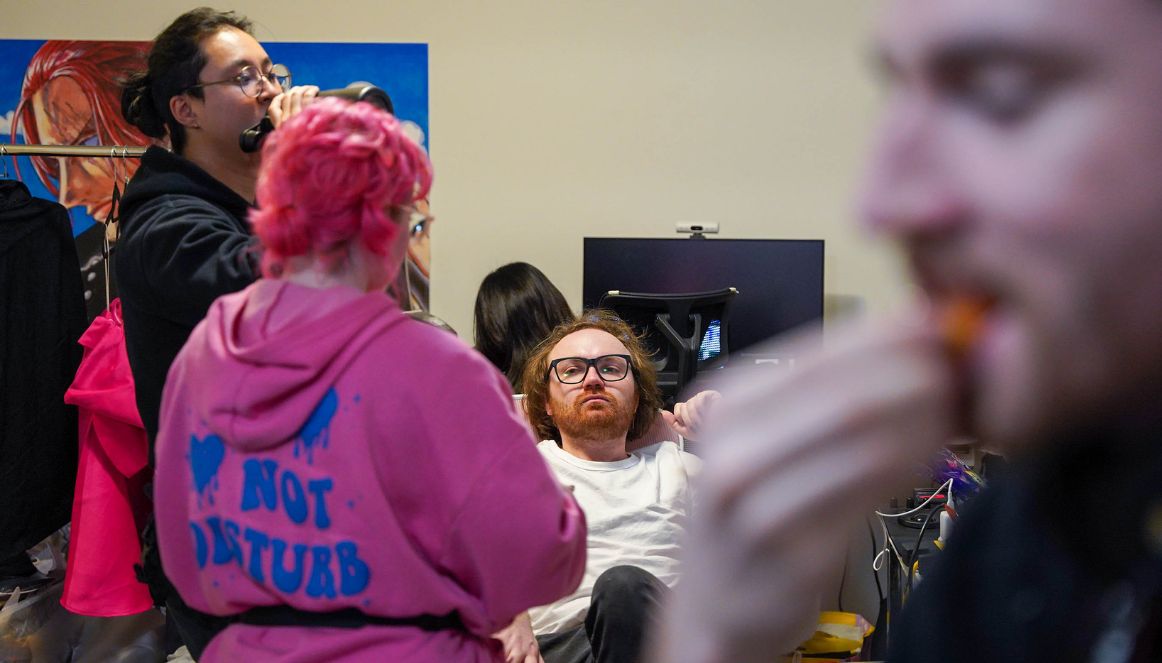
Macquarie University PhD student Tristan Woodington on set of They Persist. Image: supplied
“My housemate and I went to the cinema to see Poor Things, and it reminded me of the reason why I love making films,” reflects Woodington.
“On the train home, I sat with my housemate, and we started talking about a film of our own that we'd make.”
“As we started talking, watching passengers, looking out the window, just riffing, we started to improvise the start of the film.
“We never talked about it outside the train. It wasn't really something we talked about outside. But on the train, it existed.”
Eventually, however, the film began to take shape behind a camera.
Produced, written and edited by Woodington, and directed by their housemate Lachlan Salvestro, They Persist was selected for the TILDE Melbourne Trans and Gender Diverse Film Festival in February 2026, where it screened as part of the short film program highlighting promising young Australian filmmakers.
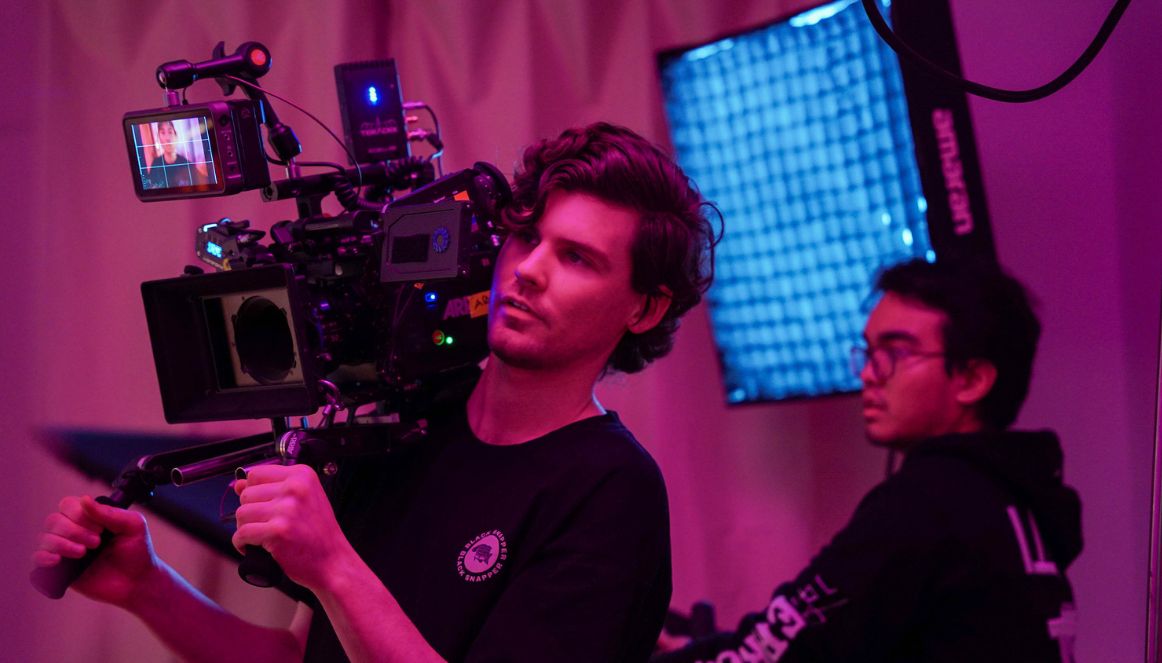
They Persist was selected for the TILDE Melbourne Trans and Gender Diverse Film Festival. Image: supplied
Following on from its screening, They Persist has also nominated for three awards at the 2026 ATOM (Australian Teachers of Media Awards) - the second longest running media awards in Australia, focused on films made in educational settings.
Like vignettes or flickers of memory, They Persist explores memories that blur and dissolve, drawing us into the work’s carefully constructed world.
The film follows Charlie as they encounter past versions of themself, with a tenderness that reflects the fragility and preciousness of moments that echo Woodington’s own challenges of navigating their journey of finding oneself.
“It's a short film about the versions of ourselves that exist in the hearts and minds of the people that we love when we leave them,” says Woodington.
“It's about exploring the different versions of yourself that exist in people's heads, and as a queer person, it's a chance at reflection.
“You could call the film a trans narrative in the fact that we see the same character at different stages in their life. They start masculine, and they end up quite feminine towards the end of the film.”
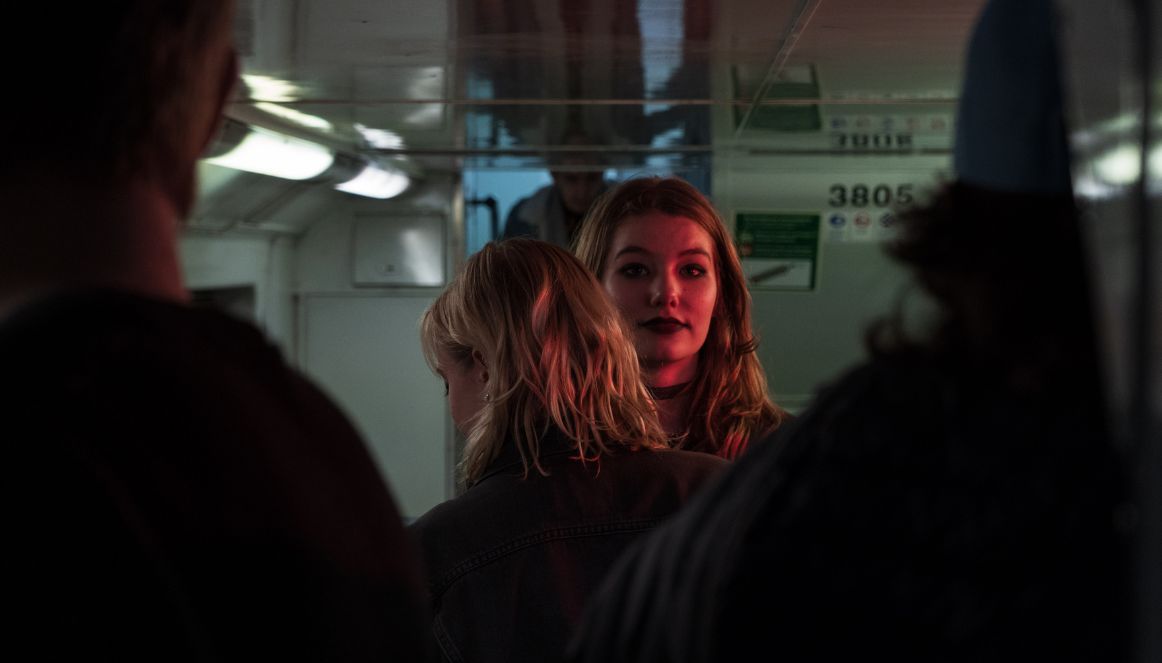
Like vignettes or flickers of memory, They Persist explores memories that blur and dissolve. Image: supplied
In many ways, They Persist reflects the process of figuring out who we are – something Woodington has experienced in different ways throughout their own journey at Macquarie.
While completing their degree, Woodington was diagnosed with ADHD, a diagnosis that gave them a new way of understanding the gap between their creative and academic abilities, and the story they had long told themselves about what they were capable of.
“I haven't always been a high-achieving student. I got diagnosed with ADHD between my undergrad and my master's - my whole life and I just thought that I sucked at everything.
“When I did get a diagnosis, I went from being an average student who barely scraped into the master's course, to getting a scholarship last year for high achievements in academic excellence, and then I got it again this year for the PhD.
“I will say, throughout this, my film teachers at the time had this surprising faith in me – even when I didn’t always see it myself.”
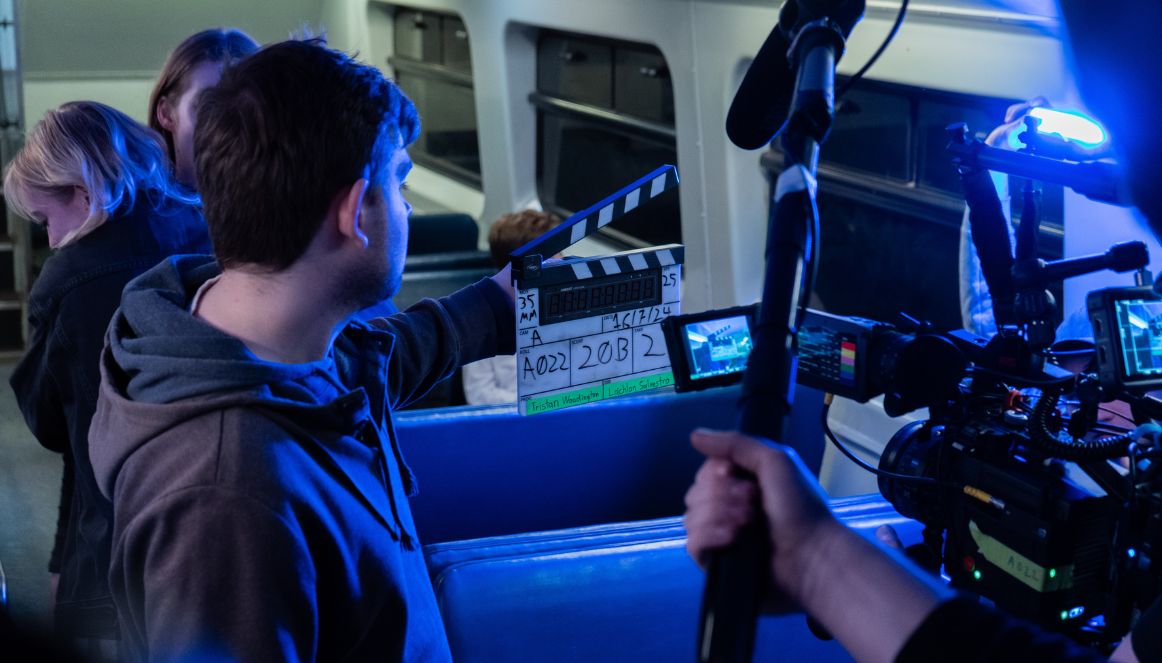 They Persist reflects the process of figuring out who we are – something Woodington has experienced in different ways throughout their own journey at Macquarie. Image: supplied
That faith has since taken Woodington to places they might not have expected when they first found their way into the film school.
Through their PACE internship with the Creative Initiative for Vision, Innovation, and Culture (CIVIC), run by Dr Iqbal Barkat and Alex Ryan, Woodington went on to create a documentary for the Macquarie University Lifespan Health and Wellbeing Research Centre on their Ageing Wisely program.
This opportunity opened a number of doors for them, including building a portfolio that would later get them a job working in the videography team for the Faculty of Science and Engineering, before returning to CIVIC as a research student to mentor current film students.
They Persist was nominated for three awards at the 2026 ATOM (Australian Teachers of Media Awards). Image: supplied
“The internship was just shooting a film; it had a client who was expecting something about an important topic, and I was in charge of it,” says Woodington.
“That made me feel like I could be trusted.
“And it’s really nice to come back now and mentor the current students, and work on films, and help the students manage their own projects – it’s really rewarding.”
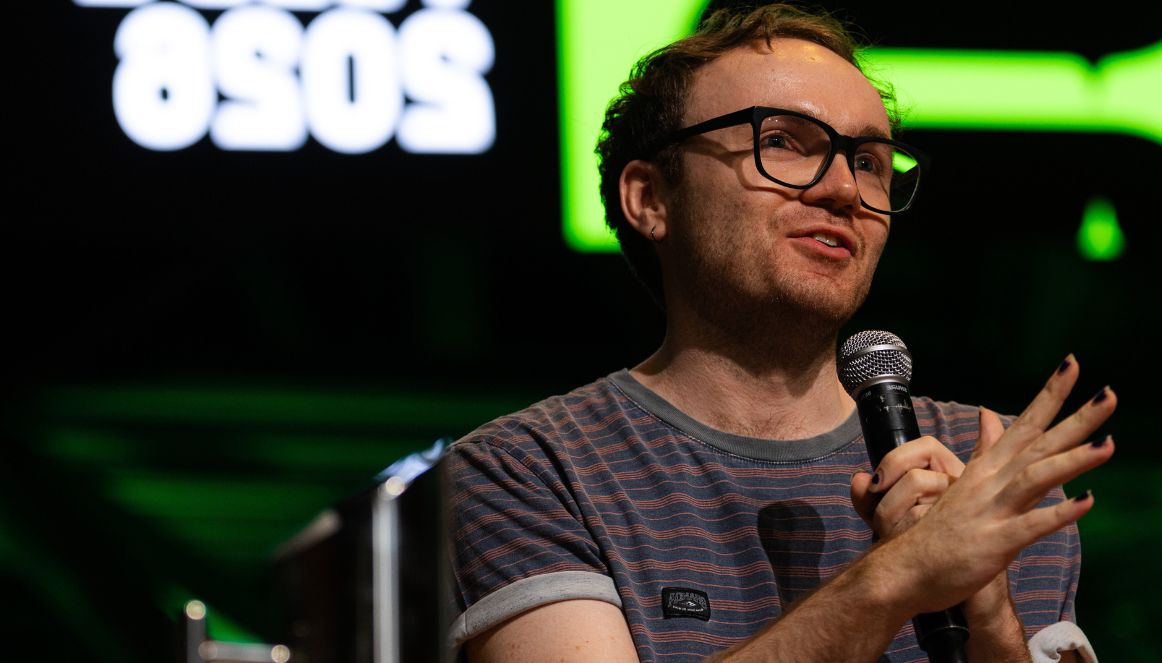
But supporting the next generation of filmmakers is only part of Woodington’s vision. They hope to keep making films that explore identity, elevate queer voices and give overlooked experiences a place on screen.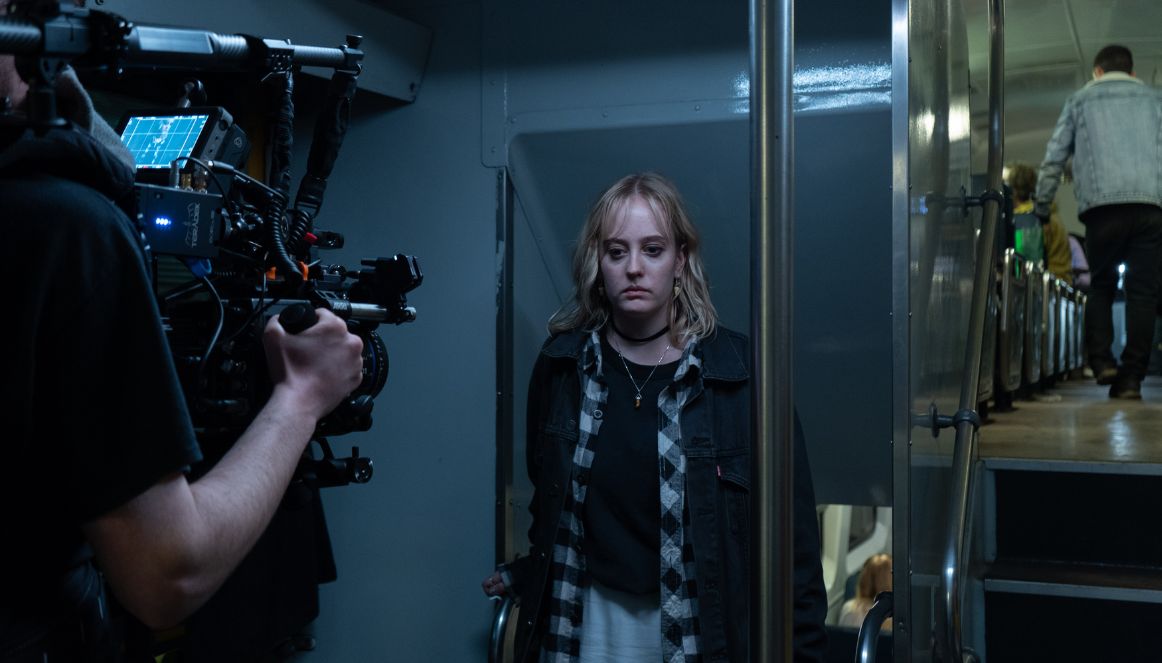
Tristan Woodington wants to support the next generation of filmmakers. Image: supplied
“I think we have the responsibility to listen. More broadly, it can be hard, representation in the media is really difficult. But what I can say is that I love seeing queer people represented well in films. I love it. I love seeing what can happen when people make films about their experience. I love being a part of that community,” says Woodington.
“How we should do it or how we can do it right, is something I’m not as sure of.
“I do think it's important that we obviously elevate unsung voices, and I think film provides a platform for us to really connect with people and connect with experiences.”
And perhaps that’s what can happen when we collectively persist - stories find their way into the light, and voices are given space to be heard.