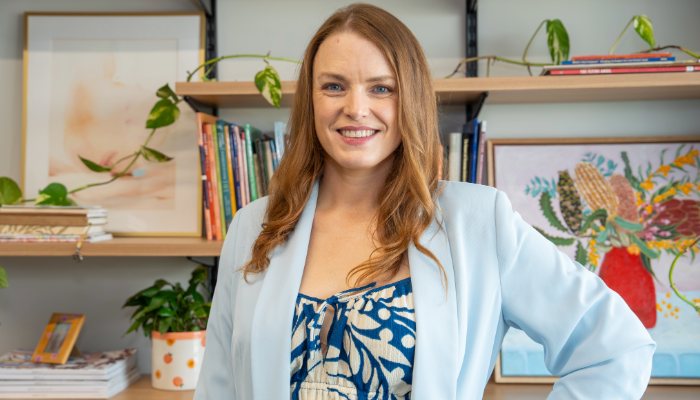
Project Manager Gemma Ryan is leveraging her lived experience as a neurodivergent woman and dedicated parent-carer to help create a more inclusive university community.
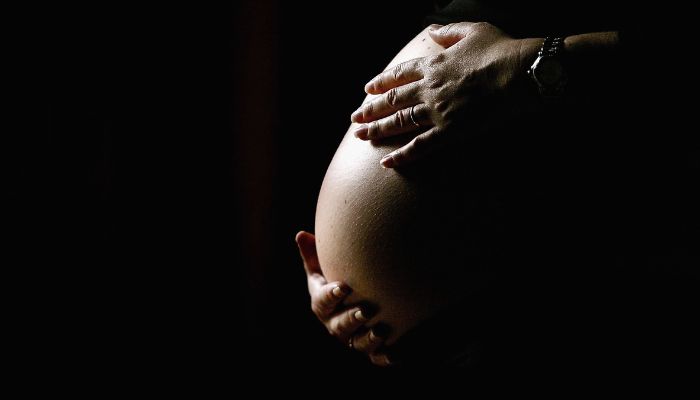
As uterus transplantation moves from experimental medicine to clinical reality, Associate Professor Mianna Lotz – Discipline Chair in Philosophy at Macquarie University - is helping shape international debate on consent, bodily autonomy and the risks carried by women.
A shipwreck off the coast of Turkey is the oldest shipwreck in the world, our team of archaeologists believes. Here, and perhaps even earlier, lie the foundations of extensive trade routes as we know them today.
There’s no stopping this mother, daughter duo. One is a well-known author, speaker and commentator in the media. The other is a scholar who helped shape her daughter’s resilience and staunch views on ageism, feminism and a champion for mature age students. Here, Jane and Kate Caro fire up the age-old debate on ageism.
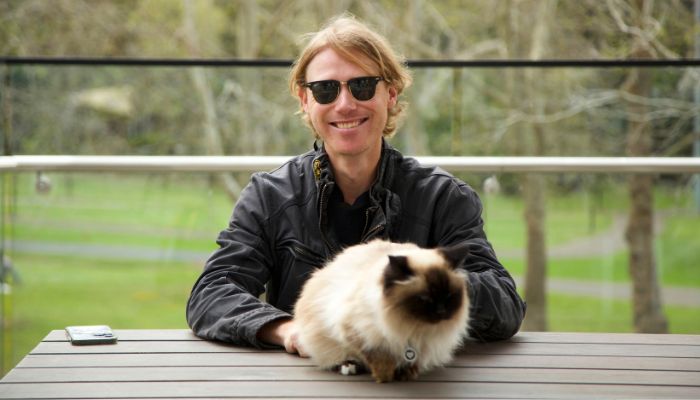
When Robert started bringing his 14-year-old Ragdoll, Pixie, to Macquarie University, he expected a few surprised faces. Instead, she quickly became a much-loved fixture on campus - joining him in classes, meeting students and making friends wherever she goes.
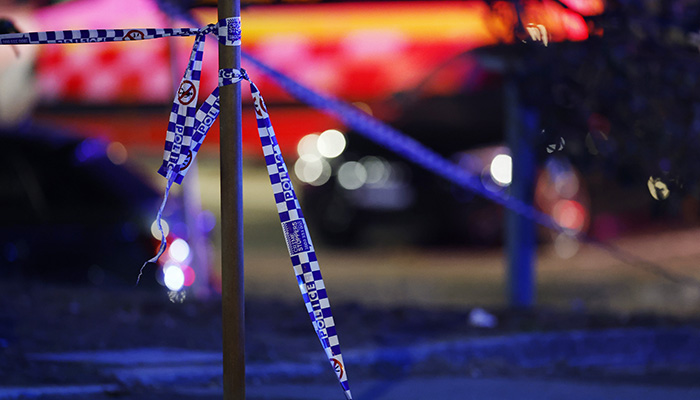
Four domestic violence-related deaths in one weekend in New South Wales have reignited questions about what more can be done to protect vulnerable people, two years after Prime Minister Anthony Albanese labelled domestic and gender-based violence a “national crisis”.
Forget GDP, the real global recession is in PDA. Historian of emotions Professor Katie Barclay confirms Gen Z are living through a “kissing recession” several centuries in the making.
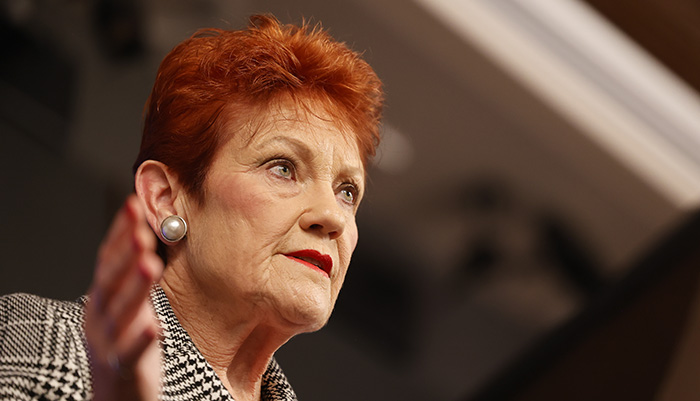
The political firestorm ignited by an episode of One Nation’s satirical animated series Please Explain was one of those rare moments in Australian politics that has brought together Labor, the Coalition, Greens and the crossbench. But this episode reveals more than just a political scuffle. It provides a window into the role of humour in contemporary far-right politics.
Social media platforms could be forced to give Australians the option to turn off algorithms under draft laws unveiled in parliament this week. We asked five experts to weigh in.
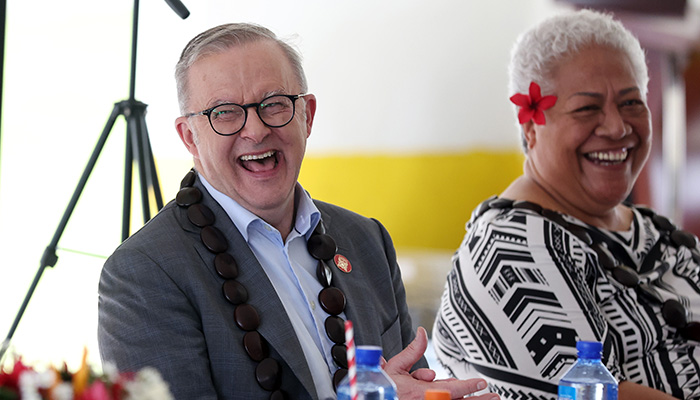
Australian Prime Minister Anthony Albanese has announced a $600 million program to strengthen aerial and maritime surveillance across the Pacific, targeting the narco-submarines and small vessels used to move drugs through the region. He made the announcement at the Pacific Islands Forum in Palau.
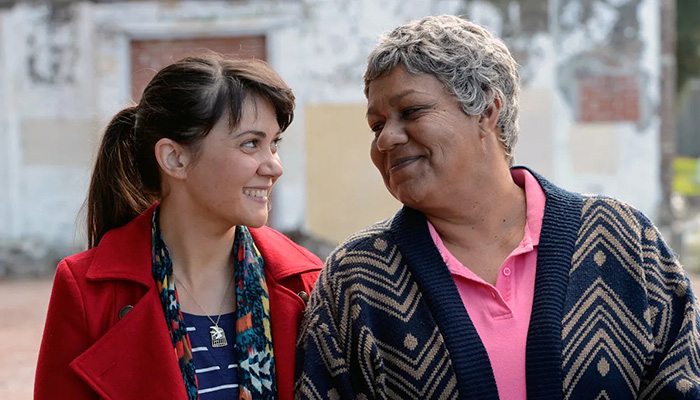
The ABC’s Indigenous department has given Australia some of its best television. Not simply its best “Indigenous television”, but some of the sharpest, funniest and most ambitious programs made in this country.
On average, a woman in Australia is killed by an intimate partner or trusted family member every 11 days, prompting nationwide protests and urgent calls for systemic reform. “We see reform after reform, but what we don’t see is improved safety for women and girls in this country,” says Senior Macquarie Law School Lecturer Dr. Amira Aftab.