The AU-CLARITY study, one of the largest national surveys of its kind, found that 65 per cent of Australians are concerned about climate change and 45 per cent believe it poses a serious risk to their personal health.
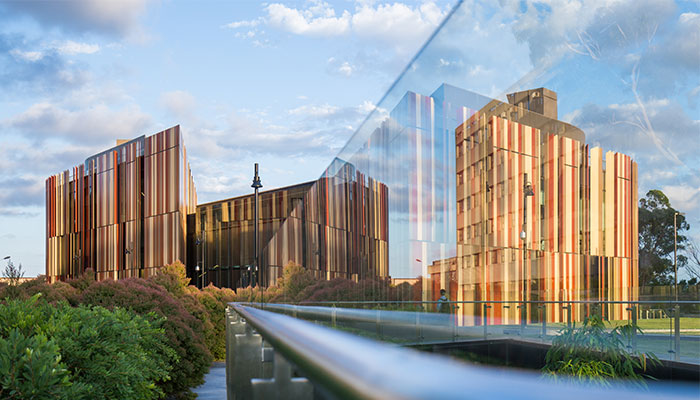
Macquarie University researchers have secured more than $4.5 million in Australian Research Council funding for projects ranging from creating robots capable of learning and improving autonomously to understanding and mitigating housing bubbles.
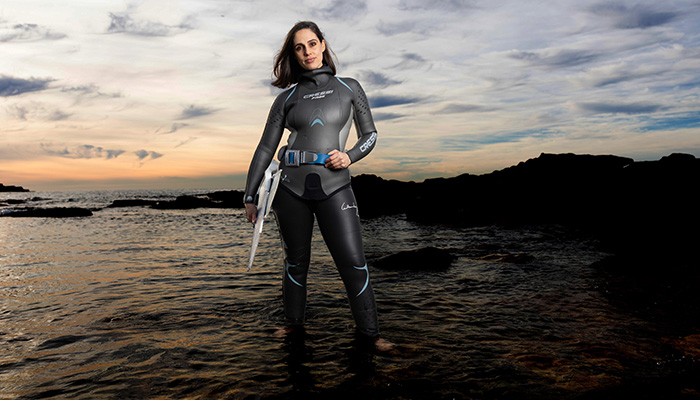
Dr Vanessa Pirotta has conducted research in Antarctica and Madagascar, swum with whales in the South Pacific and been featured in international media from Vogue to The New York Times. But what excites the Macquarie University wildlife scientist most is sharing knowledge.
Today, prime minister Anthony Albanese laid out how his government plans to manage artificial intelligence (AI) and ensure the rapidly advancing technology works in Australia’s interest.
At first glance a data centre looks like a bland, boring warehouse. But these buildings, stacked with thousands of servers, are the beating heart of the internet and the booming artificial intelligence (AI) industry.
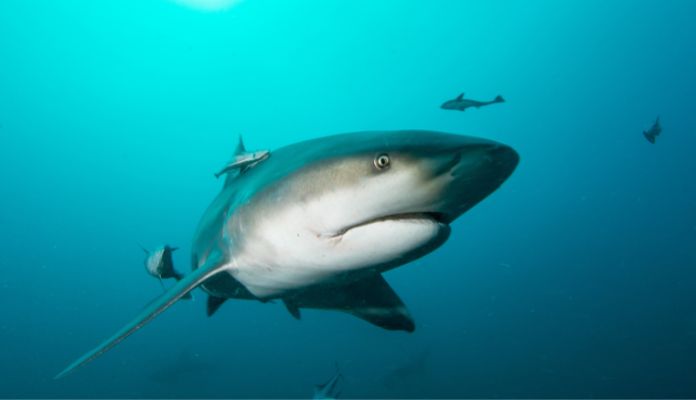
After every shark bite, the culling debate returns. But scientists say new technologies are offering safer ways for people and sharks to share the ocean.
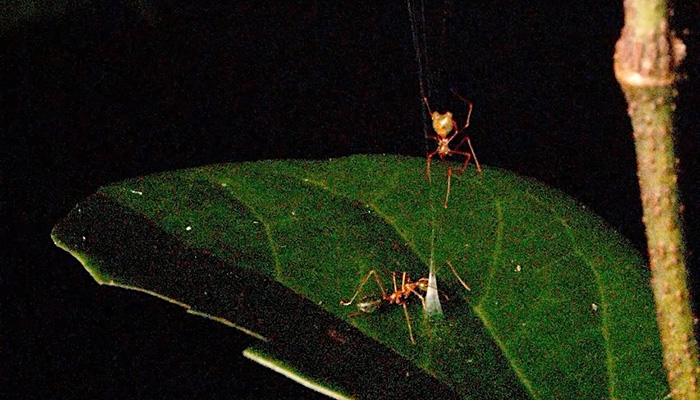
There’s more than one way a spider can spin its web. Some construct large vertical orb webs, while others build horizontal sheet webs or tangled cobwebs that ensnare crawling insects.
Macquarie University researchers have secured more than $3.1 million in ARC Linkage Projects funding to work with industry, government and community partners on groundbreaking studies.