
Too hot, too cold. On your stomach, then your side. Thoughts spiralling. Counting sheep. Checking the clock. Unable to sleep.
We’ve all been there, shuffling around in the sheets and wondering why we can’t do the one thing we’ve wanted to do all day.
Sleep.
But what if trying to get the perfect night’s sleep is actually making it harder?
‘Sleepmaxxing’ is the latest social media trend promising people the ‘optimal’ night’s sleep.
Sleepy girl cocktails. Room sprays. Mouth tape. Blackout blinds. Mattresses that promise to be the ‘perfect’ temperature. The recipe for a good night's sleep has somehow become increasingly complicated.
From fibremaxxing to looksmaxxing and now sleepmaxxing, the ‘maxxing’ trend is about identifying something you want to improve, then doing everything you can to optimise or maximise it.
But sleep may be a particularly difficult thing to optimise.
“Sleep tends to shy away from effort,” says clinical psychologist and sleep researcher Dr Amelia Scott.
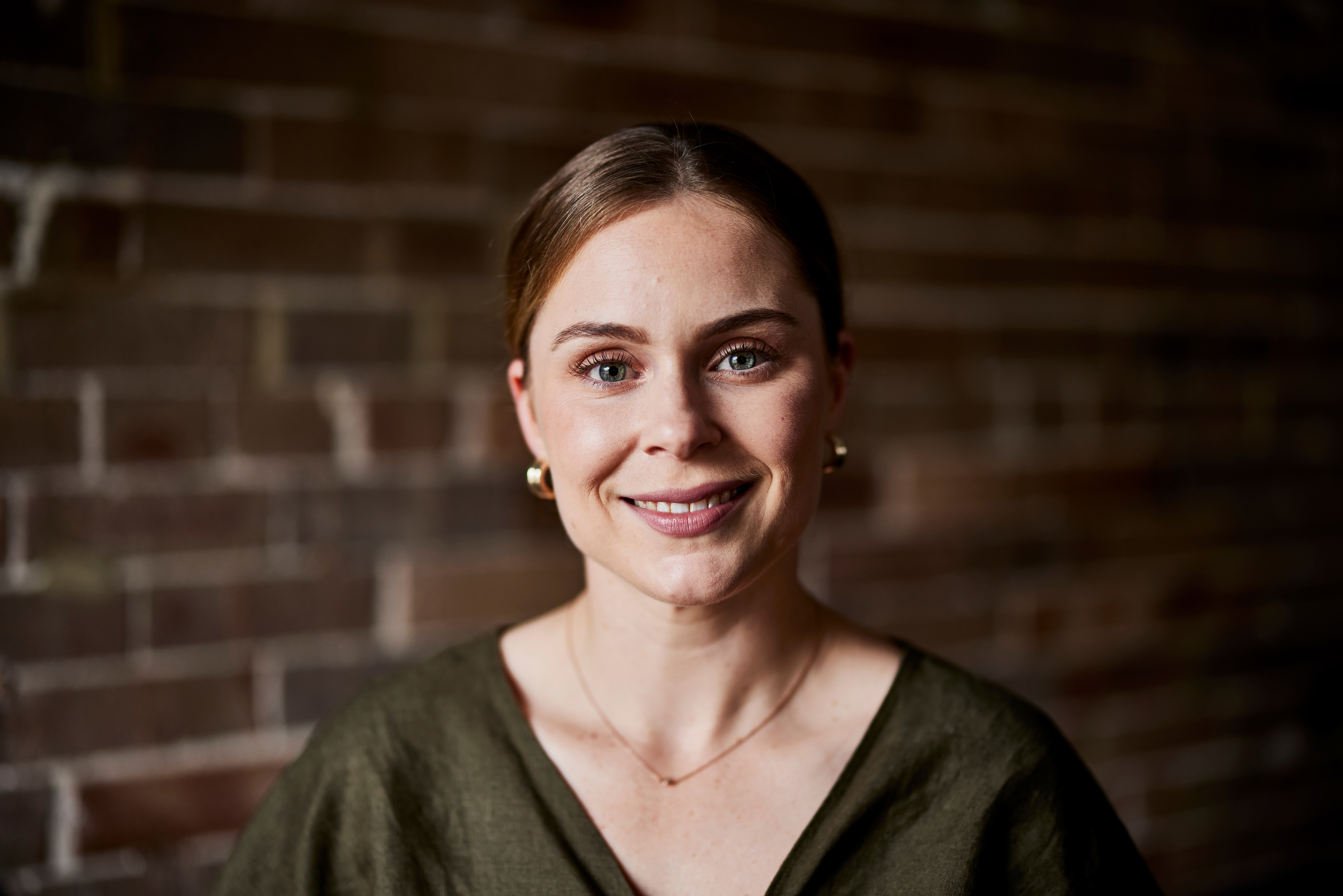
Dr Amelia Scott.
Unlike many things we try to improve, sleep isn't something we can simply force ourselves to do.
“Sleep is something that we have to let happen rather than make happen,” Scott says.
And our desire to optimise sleep may reflect something bigger: our growing obsession with becoming the ideal version of ourselves.
“The maxxing movement is just another angle for industries to own the space to be perfectly calm, happy, skinny and attractive – the ideal self, which to my mind is a myth.”
The measured self
We’ve never had more information about how we sleep.
Now, we can know almost everything.
“We’re in an age of the measured self,” Scott says. “We measure everything.”
Devices such as Oura rings and Garmin watches can track sleep alongside heart rate, movement and other measures around the clock, giving users detailed reports on how they slept.
But Scott questions what happens when the sleep score starts to carry more weight than how we actually feel.
“People wake up in the morning, and they check their sleep score. And then that becomes the forecast or the prognosis of the day ahead.”
A poor score can become a prediction of a bad day before the day has even started.
And research suggests our expectations about sleep can influence how we feel the next day.

An example of an Oura Ring reading.
When the score becomes the sleep
Scott points to research examining what happens when people are given different information about their sleep.
Participants were given either positive or negative feedback about their sleep, despite their actual sleep being the same.
“The only thing that was manipulated was the feedback, not their actual sleep.”
Those who were told they had slept poorly reported feeling more tired and negative and were more likely to skip activities – despite their actual sleep not being different.
The finding raises an uncomfortable question: if our sleep was the same, but we were told it was bad, how much of the next day's fatigue comes from the sleep itself – and how much comes from what we believe about it?
Scott says this is where sleep tracking can become counterproductive.
“The machine doesn’t necessarily know better than your own embodied intuition.”
For some people, the pursuit of perfect sleep can become so intense that sleep itself becomes another source of anxiety.
Scott describes orthosomnia as “an unhealthy, perfectionistic preoccupation withsleep," another example of what can happen when sleep becomes something we feel we need to get right.
The irony is hard to miss.
Another thing to optimise
With many Australians not getting enough sleep, the growing sleep industry is built around the promise that we can control our nights – and, in turn, our days.
Wearable devices, sleep supplements, cooling mattresses and other products offer increasingly sophisticated ways to monitor and optimise our sleep.
Scott says the industry is tapping into a much broader desire to be healthier, happier, calmer and more productive.
“This is a massive industry that preys on our vulnerabilities to try and be ideal, happy, calm, productive and attentive all the time.
“The industry is essentially telling people, ‘You can control your sleep, you can control your health, and we’ve got the machinery to help you do this.’”
And perhaps that is the paradox at the heart of sleepmaxxing.
We are being sold more and more ways to control something that, by its nature, requires us to let go.
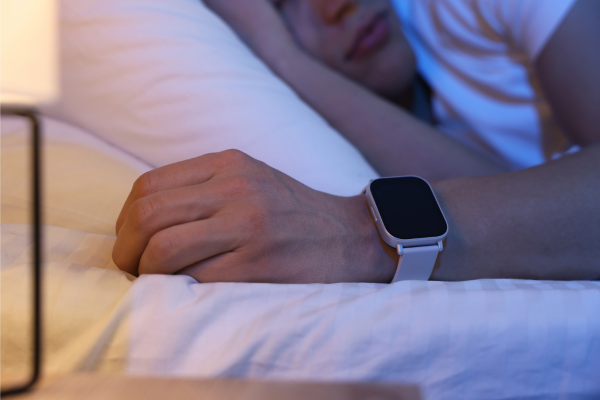
Are we trying too hard to sleep?
When sleep becomes a checklist
The same thinking can extend beyond wearables.
Magnesium, tart cherry juice, sleepy girl mocktails, mouth tape and other sleep rituals are increasingly presented as ways to improve the night.
But Scott says the evidence behind many popular sleep supplements is far from convincing.
“On average, in these clinical trials, you see either no difference between magnesium and placebo.”
For Scott, the bigger concern may not be whether an individual product works, but what happens when people become convinced they can no longer sleep without it.
“Once you were to send that person to sleep completely unaided, they would panic.”
By continually adding rituals and products, she says, people can slowly lose confidence in their own ability to sleep.
“They've slowly eroded their confidence in their body's ability to sleep on its own, which it can do.”
So what does work?
The answer may not be another sleep hack.
Scott says the average adult gets around seven hours of sleep, but individual sleep needs vary.
“The idea that we all need eight hours is a complete myth,” she says.
Being outside the average doesn’t automatically mean something is wrong.
Rather than chasing a magic number, Scott says there are more useful things to focus on.
Regularity matters – keeping sleep and wake times reasonably consistent.
And so does sleep efficiency – spending an appropriate amount of time in bed, rather than lying awake for hours trying to force sleep.
Then comes the hardest part: letting go of control.
“Once you’ve hit those last two things, just let your body do it because it’s really self-regulating. The body knows what it’s doing.”
Because there may be no perfect sleep score, perfect number of hours or perfect bedtime routine.
And perhaps that's the point.
The more we measure, optimise and scrutinise our sleep, the more we risk turning rest into another performance.
Sleep isn't something we need to be perfect at.
Maybe we need to stop 'maxxing'
The desire to optimise sleep is part of a much bigger cultural obsession with measuring ourselves against an ideal.
Scott believes we could benefit from focusing less on what can be measured, displayed and optimised – and more on what actually matters to us.
“Someone needs to make, like, ‘values maxxing,' I think, on TikTok. I’m just like, figure out how to be good people in this crazy world that we live in.”
She points to the things that can easily disappear beneath the pressure to optimise: connecting with people, doing meaningful work and having time to do something simply because we enjoy it.
“Those things have become totally invisible because they’re not quantifiable, they’re not remunerated. They’re not something that you can show to your friends and followers. And that’s like what life is about.”
Maybe the answer to sleepmaxxing isn’t another hack, supplement or sleep score.
Maybe it’s learning to trust our bodies a little more.
And, for people struggling with sleep, Scott has a simple message:
“The most important thing they’ve learned to say to themselves is: ‘Stop putting pressure on yourself.’”
Hear from Dr Amelia Scott at the Macquarie University Lifespan Health and Wellbeing Research Centre Mental Health Month Public Lecture - Sleep and Mental Health: Beyond the Basicson Thursday,15 Oct, 5:30pm.